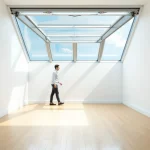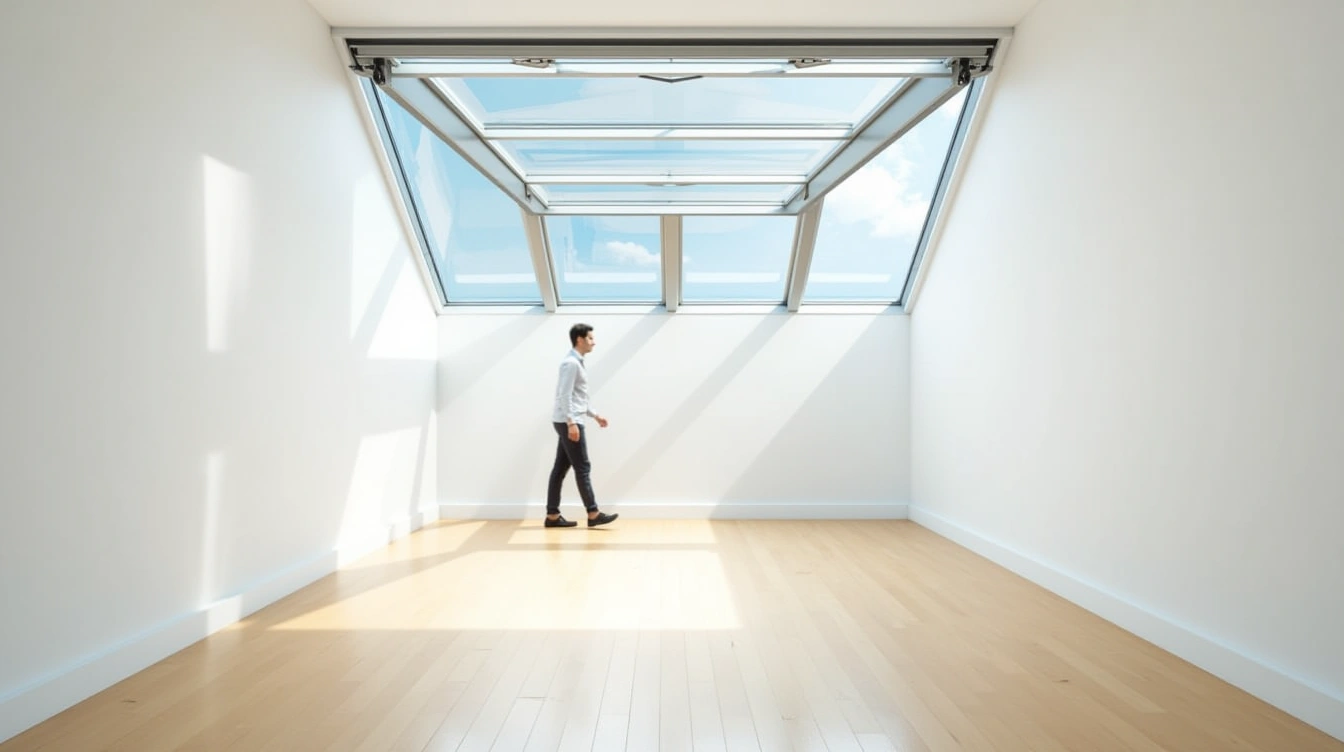
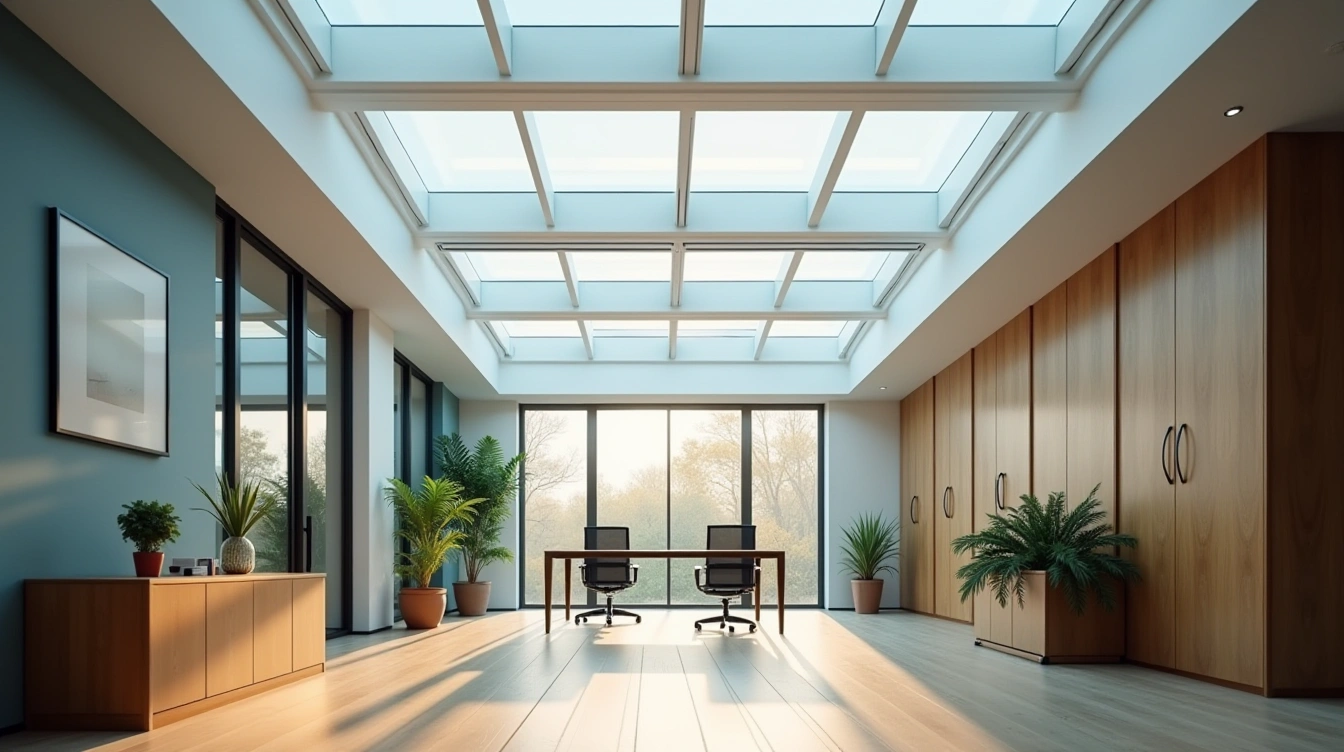
Inviting natural daylight into interior spaces transforms the atmosphere, making rooms feel brighter and more welcoming. Rooflights featuring opening systems take this a step further—these innovative solutions not only illuminate with daylight but also provide fresh air ventilation and, in some cases, convenient roof access. As homeowners, designers, and facility managers seek to blend aesthetics and functionality, understanding these operable skylights reveals why they are increasingly popular in modern building projects.
Why select rooflights with opening mechanisms?
The decision to install rooflights featuring opening systems directly affects comfort, energy efficiency, and daily living quality. Unlike fixed skylights, which remain sealed, operable models allow users to introduce fresh air, manage indoor temperatures, and comply with specific egress requirements set by regulations.
Have you seen this : How are UK labor laws evolving in response to remote work trends?
For loft conversions or flat roofs, providing roof access through well-designed opening mechanisms is invaluable. Beyond practicality, these systems enliven interiors by connecting them more closely to outdoor environments. The increasing emphasis on well-being and sustainability further reinforces the value of integrating such features into contemporary construction and renovation plans.
Main types of opening rooflights available
Also to see : Explore the world of chinese novels across diverse genres
Rooflights can be categorized by their operation methods, structural forms, and intended uses. Understanding these distinctions is essential for selecting a system that matches both architectural needs and user preferences. For an excellent guide to selection and options, you can explore Rooflights Featuring Opening Systems.
Manual vs electric opening options
The choice between manual opening and electric opening mechanisms often depends on convenience, budget, and accessibility. Manual systems use handles, cranks, or rods and are ideal for easily reachable locations. They offer simplicity but may limit usability when skylights are positioned high or require frequent operation.
Electric opening rooflights operate via remote controls, wall switches, or automated sensors. These models are perfect for large or hard-to-reach installations. Integrating rain or wind sensors allows for automatic closure during adverse weather, protecting interiors effortlessly. Both manual and electric options play key roles in ventilating and brightening rooms.
Hinged versus sliding and pivot designs
Most operable skylight designs are hinged, allowing panels to open outward or upward based on orientation. A hinged skylight offers unobstructed roof access for maintenance or emergency egress—a crucial advantage in multi-story homes or commercial buildings requiring compliance with safety standards.
Sliding or pivot variants provide alternative aesthetics and operational modes. Sliding models retract sideways, conserving vertical space, while center-pivot styles rotate around a central axis, creating dramatic visual effects. Each type brings unique performance characteristics and distinctive style to a project.
Core benefits of opening rooflights
Integrating rooflights with opening capabilities enhances building performance across several domains. Reviewing their most valued benefits highlights their broad appeal.
Enhanced ventilation and temperature regulation
Operable skylights enable fresh air ventilation at roof level, efficiently expelling warm, stale air and drawing in cooler breezes. This “chimney effect” reduces reliance on mechanical climate control and improves indoor air quality, especially during warmer months. Controlled airflow also helps lower humidity, minimizing condensation risks.
Users have the flexibility to adjust openings based on temperature or local weather. Rooftop venting is particularly advantageous in kitchens, attics, and bathrooms, where steam or odors accumulate quickly.
Maximizing natural daylight
Allowing generous natural daylight to enter reduces the need for artificial lighting, lowering energy costs and improving occupant well-being. Research consistently links increased daylight exposure to better mood, higher productivity, and improved sleep. Installing rooflights above stairwells, living rooms, or corridors floods deep-plan interiors with pleasant, diffuse light throughout the day.
Furthermore, the changing interplay of light and shadow indoors evolves with the sun’s movement and weather conditions, creating visually dynamic spaces. Combining daylighting with options for roof access expands functional possibilities—for example, rooftop gardens or terraces seamlessly connected via open skylights.
- 🌞 Increased exposure to natural daylight for improved mood and wellbeing
- 🌬️ Superior fresh air ventilation reducing reliance on HVAC systems
- 🚪 Convenient roof access for maintenance or recreation
- 🔒 Adjustable opening mechanisms for enhanced home security
- 🦺 Meets strict egress requirements in many building codes
Key considerations before installation
While rooflights with opening systems offer clear advantages, selection and installation require careful attention to spatial constraints, regulatory factors, and long-term maintenance needs. Thoughtful planning ensures optimal system performance for years ahead.
Compliance, positioning and security
Egress requirements often dictate minimum dimensions, opening directions, and hardware designs—especially if the rooflight serves as an emergency exit or fire escape route. Consulting relevant building codes early avoids costly revisions. Security is also vital: operable units demand strong locking systems and break-resistant glazing to safeguard property.
Proper placement maximizes light penetration and cross-ventilation. Positioning over transitional areas like hallways or staircases—or aligning with prevailing winds—increases effectiveness. Neglecting spatial alignment can impede usability and disrupt room layouts.
Durability, maintenance and material choices
High-quality frames—usually aluminum, PVC, or timber—paired with double or triple glazing, enhance thermal insulation and durability. Exterior finishes must resist corrosion and UV damage. Hinges, locks, and motorized elements should handle frequent use and various weather conditions without jamming or leaking; regular inspections help detect wear before it becomes problematic.
Ease of cleaning is another factor, especially for larger or flat roof skylights. Some designs feature self-cleaning glass or removable panels to simplify routine upkeep and reduce maintenance costs.
| 🔑 Feature | 🪟 Fixed skylight | 🚪 Operable skylight |
|---|---|---|
| Daylight entry | ✔️ Yes | ✔️ Yes |
| Ventilation | ❌ No | ✔️ Yes |
| Roof access | ❌ No | ✔️ Some models |
| Egress solution | ❌ No | ✔️ If compliant |
| Complexity and cost | 💲 Lower | 💲💲 Higher |
Answers to common questions on rooflights featuring opening systems
What is the difference between a fixed skylight and an operable skylight?
A fixed skylight does not open and serves exclusively to bring natural daylight indoors. It provides a simple, cost-effective way to brighten spaces but does not allow for ventilation or roof access.
An operable skylight opens—either manually or electrically—enabling fresh air ventilation and, in certain models, access to the roof for maintenance or egress. This added versatility enhances comfort and meets stricter code requirements in some situations.
- 🪟 Fixed = no opening
- 🚪 Operable = opening for air/egress
- ⚙️ Different complexity and price points
How do manual and electric opening mechanisms compare?
Manual opening mechanisms rely on direct effort, using handles, cranks, or extension rods. These are best for accessible skylights, offering straightforward operation but potentially limiting convenience for elevated placements.
Electric opening uses motors controlled by switches, remotes, or sensors. Main advantages include enhanced accessibility, automation, and suitability for larger or out-of-reach windows. However, electric models may involve greater maintenance and higher initial investment than manual alternatives.
| 🔧 Mechanism | 🙌 Manual | ⚡ Electric |
|---|---|---|
| Accessibility | 🚶♂️ Limited reach | 🏠 Remote/auto |
| Maintenance | 🛠️ Low | 🔋 Moderate |
Do opening rooflights meet egress requirements for residential buildings?
Certain rooflights with dedicated design serve as emergency exits and fulfill egress requirements. Requirements vary by jurisdiction but typically specify minimum opening sizes, clear paths, and hinges that allow quick evacuation for residents or firefighters.
- 🦺 Check codes before specifying
- 📏 Measure exact opening clearances
- 🔐 Prioritize secure yet quick-release locks
Are hinged skylight products suitable for both roof access and ventilation?
Yes, many hinged skylight models support dual functions: they swing open widely for easy roof access and can also be adjusted incrementally for variable ventilation. Product details determine maximum opening angles, lock strength, and integration with weatherproof seals.
Choosing certified models for access guarantees safe passage and reliable operation even with frequent use.
- 💨 Easy adjustment for fresh air
- 🔓 Wide opening for roof access
- 🧰 Reinforced hardware needed
In summary, rooflights with opening systems offer a compelling combination of daylight, ventilation, and access. By carefully considering the right mechanism, placement, and compliance needs, you can unlock new possibilities for comfort, health, and utility in any building. As technologies and materials continue to evolve, exploring these options remains a promising path toward brighter, healthier, and more sustainable spaces.